







Search Results for: three cups

Manner's new cup campaign officially announced: buy a 75 yuan set to get a straw cup, three extra-large hot drinks spark heated discussion among netizens
Manner Coffee has always been a "cup powerhouse" in the coffee world, but its previous travel mug drew heavy criticism for its looks and quality control. Recently, the company finally teased a new cup, and its stylish design has netizens eagerly anticipating it. However, the activity rules officially announced this morning have sparked huge controversy: starting November 8, customers must buy a designated 75-yuan set meal in-store to get a randomly colored stainless steel straw cup, and all three drinks in the set must be extra-large hot beverages. Many netizens said outright that "three cups is too much to finish" and "hot drinks are too cloying," arguing the threshold for the promotion is too high. Manner has long attracted customers with its "bring your own cup and get five yuan off" campaign. Can this new cup marketing win back its reputation? Let's keep watching. [more…]

Luckin Coffee's Tom and Jerry collaboration cup features a three-eyed Tom—design coincidence or intentional?
Luckin Coffee's annual October collaboration with "Tom and Jerry" has become a regular fixture, and this year is no exception. Two new drinks, "Milk Skin Latte" and "Raw Coconut Mango Pomelo Sago," launched alongside limited-edition merchandise, and stores nationwide switched to Tom and Jerry-themed packaging. However, some customers discovered upon receiving the actual products that the Tom and Jerry printed on the cups actually had three eyes. This abnormal design quickly sparked discussion: was it a printing error, or was it intentional by the brand? Some fans dug up animation screenshots to prove it was a faithful reproduction of exaggerated expressions, while others suspected it was a mistake made by AI design. More critically, the three-eyed design was not the first of its kind—Soap Studio's collaboration with artist Greg Mike and Uniqlo's collaborative T-shirts had both used similar designs. This debate over the cups reflects the subtle tension between artistic expression and public perception in IP collaboration design. [more…]
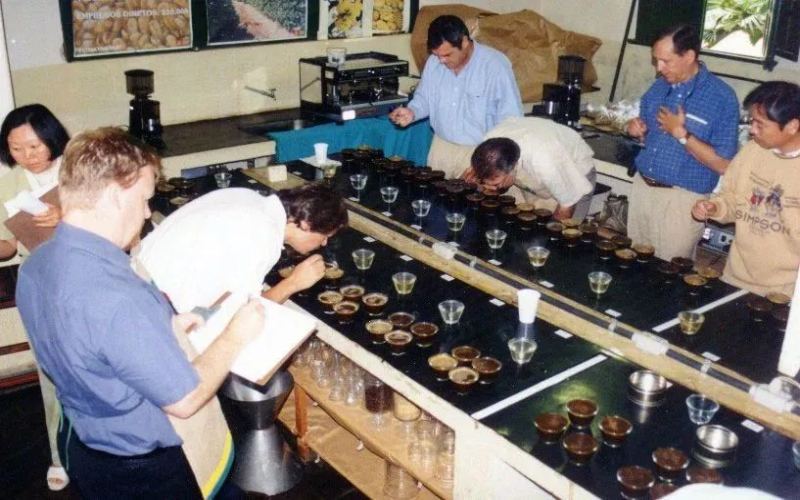
2023 Brazil Cup of Excellence Format Innovation: Three Processing Method Categories Reveal the Winners List
The 2023 Cup of Excellence (CoE) in Brazil underwent a major competition format change, for the first time dividing participating green beans into three categories: dry process, wet process, and experimental process, with awards evaluated separately for each. This change aims to respect different processing methods, encourage producer innovation, and promote fair competition. After pre-selection and multiple rounds of national and international judging, the lists of ten winning beans in each of the three groups have been announced, with a minimum score requirement of 87 points. Erwin Mierisch, Executive Director of the Alliance for Coffee Excellence, stated that the new classification both recognizes the value of traditional processing methods and responds to market demand for innovative processing methods. This article will outline the competition format details, the winning situation in each group, and explore the profound impact of this change on the specialty coffee industry. [more…]
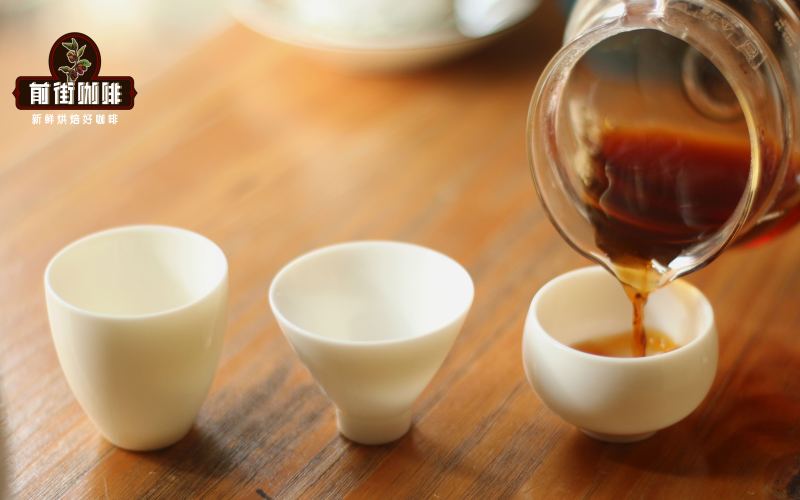
A Detailed Explanation of the Eight-Step Brewing Formula for Chaoshan Gongfu Tea: Why Only Three Cups Are Placed on the Tea Table
Chaoshan Gongfu Tea is renowned for its rich aroma and mellow body, emphasizing a high tea-to-water ratio and quick pours—each infusion lasting no more than ten seconds, with only three rounds before the leaves are discarded. Three 25ml thin-walled small cups are always arranged on the tea table in a "品" (pin) shape, which is both a tradition and a piece of practical wisdom. This article outlines the complete brewing steps of Chaoshan Gongfu Tea: selecting tea, preparing water, adding leaves, rinsing the pot, skimming foam, washing the tea, pouring into cups, and sipping, while explaining the reasoning behind each step. It also covers details such as unglazed Chaozhou teapots and charcoal-brazier roasting, and mentions related products from the Front Street Coffee brand, offering coffee enthusiasts a cross-disciplinary glimpse into this Eastern brewing system. [more…]
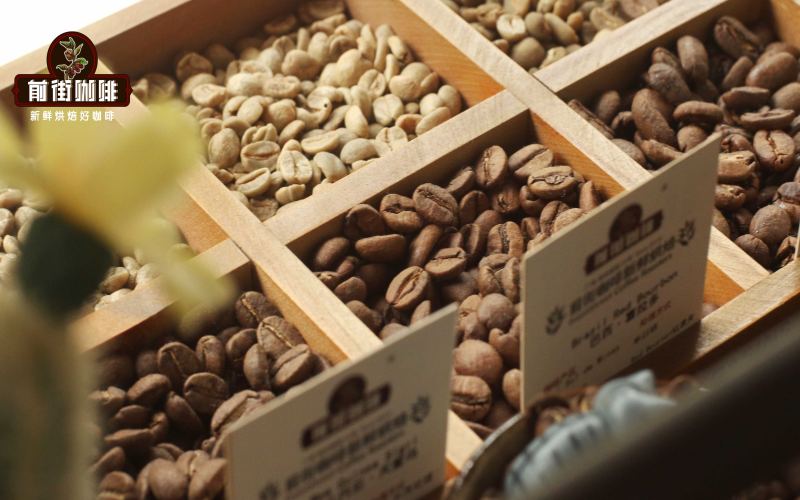
Brazilian Coffee Beans' Grading System and Flavor Characteristics: Three Classification Methods and Front Street Recommendations
Brazil is the world's largest coffee producer, accounting for about one-third of global output. Because its growing regions span 14 states, Brazil uses a three-dimensional grading system based on defect rate, screen size, and cup profile to ensure consistent quality. This article will explain in detail Brazil's three coffee bean grading methods, decode the meaning of the grade markings on green bean jute sacks, and introduce two products recommended by Front Street Coffee: the Brazil Cerrado everyday drinking bean and the Queen Estate Yellow Bourbon, helping coffee lovers gain a deeper understanding of the unique appeal of Brazilian coffee. [more…]
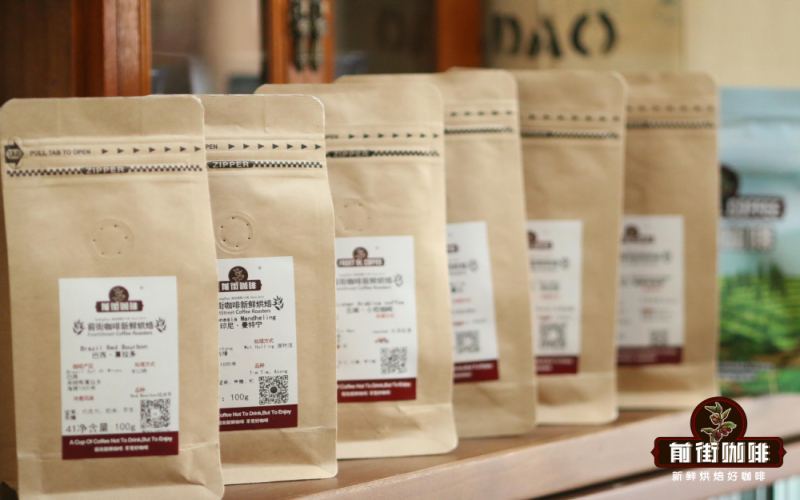
Analysis of Brazil's Three Major Coffee Bean Grading Systems and Export Standards, Plus Front Street Brand Flavor and Quality Recommendations
As the world's largest coffee producer, Brazil has a uniquely distinctive grading system that combines three criteria—defect rate, screen size, and cupping flavor—which sets it apart from the single-criteria grading methods used by most producing countries. By understanding the markings on a bag, such as "Brazil NY.2 SC – 17/18 FC Cerrado," you can quickly grasp a Brazilian bean's quality and origin information. This article will break down these three grading systems one by one, explain the six-tier classification standards for taste and flavor, and recommend two Brazilian specialty beans from Front Street Coffee—Queen's Farm Yellow Bourbon and Cerrado everyday drinking beans—to help coffee lovers find the Brazilian flavor that suits them. [more…]

What cups are used for espresso, Americano, and latte? A detailed explanation of the three capacity specifications of coffee cups
Walking into Front Street Coffee, the rows of ceramic cups of varying sizes on the espresso machine are not placed randomly—each specification corresponds to a specific coffee category and serving standard. The differences in coffee cup capacity not only help drinkers quickly judge the strength of the coffee, but also directly affect the presentation of flavor and heat retention. This article will systematically sort out the three coffee cup sizes used by Front Street Coffee—the 60ml small cup, the 180-200ml medium cup, and the 300ml large cup—and explain one by one the coffee types they are each suited for, the serving parameters, and the flavor performance, from espresso to Americano, cappuccino, and then latte, guiding you to understand the professional logic behind coffee cups. [more…]
Sidamo Huakui Pour-Over Guide: Comparing Three Dripper Parameters and Analyzing Flavor Differences
Ethiopian coffee has always been renowned for its floral aromas and fruity acidity, and among them, the naturally processed Sidamo Huakui—with its intense fruity profile and honey-like finish—has become a favorite among many coffee enthusiasts. This article will start with the origin of the name Huakui and the background of its producing region, then provide a detailed interpretation of three pour-over recipes designed by Front Street Coffee for this bean—corresponding to flavor-focused, body-focused, and balanced styles respectively—covering the specific parameters and brewing performance of the Hario V60, Kalita three-hole trapezoid, and WAVE cake filter. If you are looking for a naturally processed bean with prominent sweetness and rich layers, or want to understand the practical effects of different drippers on extraction results, this content will provide a clear reference. [more…]
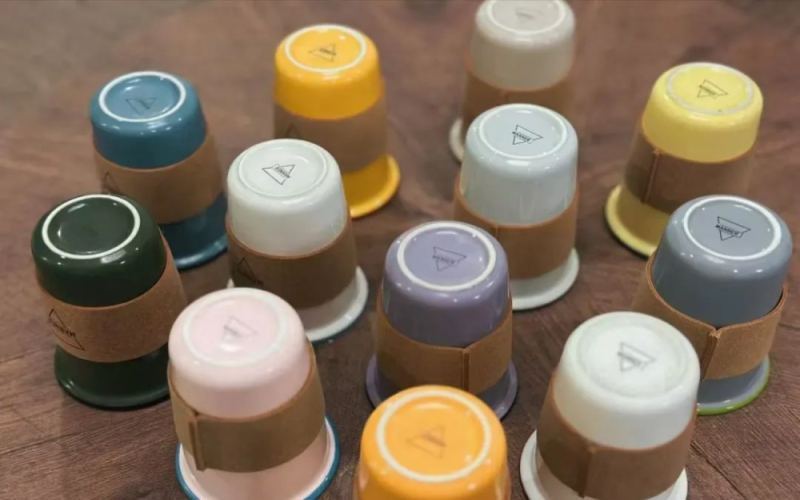
Manner handheld fan merch tested: weak airflow but sounds like a drill, the three-drink bundle threshold sparks heated debate
Manner has long been famous for its wide variety of branded cups, jokingly dubbed a "cup factory" by fans, but its latest campaign broke with tradition and instead gave away handheld mini fans. What was expected to be a practical summer favorite instead drew complaints from customers who received the actual product: the airflow was too weak to dispel the heat, while the noise was as loud as an electric drill, a hair dryer, or even a tractor — switch it to level three and you become the center of attention. What made some people hesitate even more was that getting the fan required buying a three-drink extra-large set, and without a coffee buddy it was hard to handle. This article compiles feedback from netizens to see why this merch item leaves people with mixed feelings. [more…]
Costa Rica Finca El Gigante Blueberry Coffee: Bruncas Region Terroir, Anaerobic Heavy Honey Processing, and a Cupping Comparison of Three Roast Profiles
Front Street Coffee recently acquired a batch of blueberry coffee beans from Costa Rica's Las Rocas Estate; the green beans exude an intense sweet blueberry aroma and rose floral notes. To fully reveal the flavor potential of these beans, the roaster team designed three different roasting profiles and cupped them one by one, striving to find the most balanced roasting plan that best expresses the terroir. This article will guide you through the terroir background of the Brunca region, the varietal composition and anaerobic heavy honey processing of Las Rocas Estate, and present in detail the roasting parameters of the three profiles and the differences in cup flavors, helping coffee enthusiasts gain a deeper understanding of the charm of these beans. [more…]
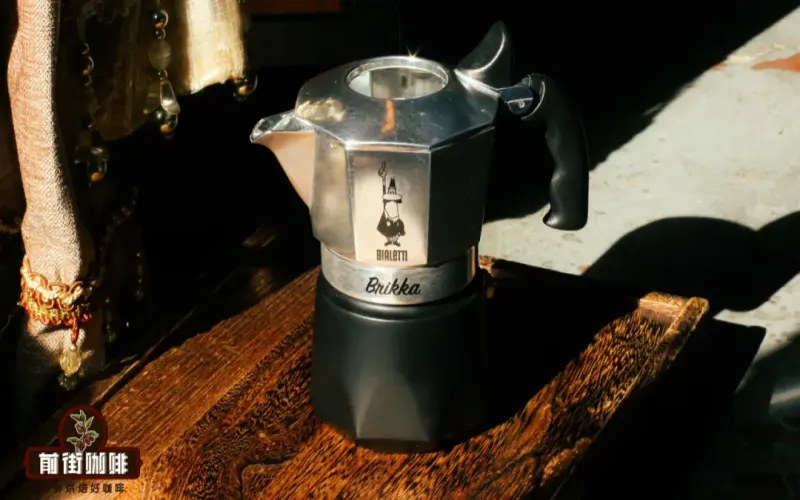
Why Should You Discard the First Three Cups from a New Moka Pot? Correct Procedures and Key Details for Seasoning and Cleaning
The moka pot, with its affordable price, simple operation, and ability to brew strong coffee close to espresso, has become the top choice for many coffee enthusiasts just starting out. After getting a new pot, the manual and customer service usually remind you: the first three cups of coffee cannot be drunk and need to be poured out. The reason behind this is that a new pot needs a deep cleaning, which is what's called "seasoning the pot." This article covers why you need to season the pot, whether water alone is enough, which coffee beans are recommended, the specific steps to follow, and easily overlooked details like cleaning the gasket and filter, to help you properly complete the preparation for using your moka pot for the first time. [more…]

Why Do Freshly Roasted Coffee Beans Need to Rest for Two to Three Days? Brewing Parameters for Fresh Beans and Three Practical Approaches Explained in Detail
Freshly roasted coffee beans often carry a large amount of carbon dioxide and a harsh, dry sensation. Brewing them directly will greatly diminish the flavor, and the cup will not be smooth enough to drink. This article addresses this common problem by outlining three practical solutions for dealing with fresh coffee beans: first, accelerating gas release through degassing; second, adjusting parameters such as water temperature, grind size, and blooming time to improve extraction efficiency; and third, adopting immersion-based extraction, which has a higher margin for error. Using Front Street Ethiopia Hamashu coffee beans as an example, the article provides specific details on dose, water temperature, coffee-to-water ratio, and staged pouring demonstrations, and compares the flavor differences under conventional parameters, helping coffee lovers brew a relatively excellent cup even when they are impatient to drink it. [more…]
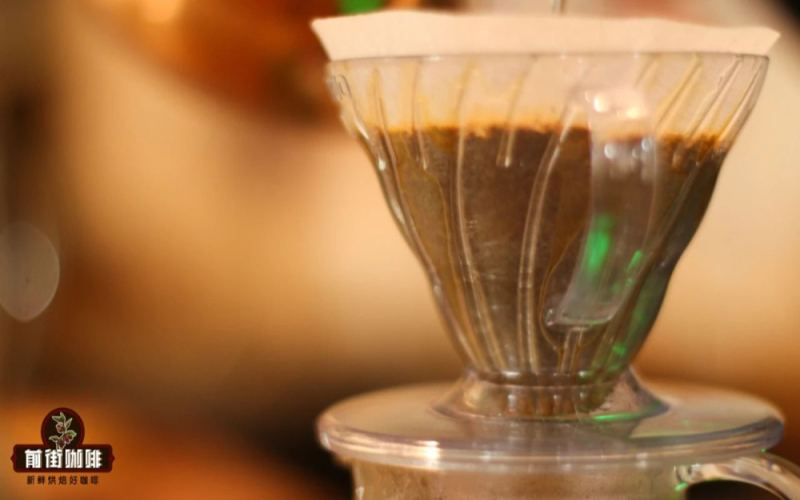
Beginner's Guide to Pour-Over Coffee: From the Golden Cup Standard to Three-Stage Pouring, Front Street Explains Specialty Coffee Grounds Brewing Techniques
Pour-over coffee, with its simple equipment and emphasis on hands-on technique, has been favored by coffee enthusiasts and lifestyle aficionados since the third wave of coffee. The key to an excellent cup of pour-over coffee lies in precisely controlling four major variables: grind, water temperature, weight, and time. Starting from Front Street Coffee's conservative brewing philosophy, this article systematically sorts out the basic concepts of pour-over coffee, the differences in Golden Cup extraction standards across countries, the list of required equipment, and the detailed operational points for water temperature, grind size, coffee-to-water ratio, and brewing technique. It also provides an in-depth analysis of the principles of blooming and degassing, the three-stage pouring steps, and the three stages of coffee extraction—wetting, dissolution, and diffusion—helping beginners establish a standardized operational framework, adjust flexibly on the basis of understanding the principles, and make good coffee with their own personal style. [more…]
Is a chilled glass necessary for a Dirty coffee? Testing the layering effect and key preparation points at three glass temperatures
Dirty coffee has become a staple in specialty cafes thanks to its high aesthetic appeal and unique taste, yet there has always been debate over whether an ice-cold cup is essential during preparation. Through side-by-side testing of glass cups at room temperature, refrigerated, and frozen, Front Street found that milk quality is the key to layering, while cup temperature mainly affects the chilled mouthfeel and the preservation of crema. The article also traces the practice of Dirty's originator, Katsuyuki Tanaka, who did not pre-chill his cup. If you're after photogenic presentation and a layered experience, Front Street recommends chilling the cup together with the milk and paying attention to the optimal tasting window. [more…]

Starbucks Japan Tests Stainless Steel Cup Rental: Scan to Borrow, Return Within Three Days, Deposit Model Disrupted
Starbucks has previously implemented deposit-based reusable cups in Korea, Seattle, London, and other places, but the results were not ideal. Starbucks Japan was the first to change its approach, launching a stainless steel cup rental service at ten stores in Tokyo. Customers can scan a code via a mobile app to borrow a cup, return it within three days, and even enjoy a discount on their drink. After return, the cups are uniformly washed at high temperature and disinfected. The company emphasizes that there is no need to worry about residual viruses or bacteria. Can this model truly promote environmental protection, and can it be replicated in other regions? This article will provide a detailed interpretation for you. [more…]

Why does pour-over coffee become sour and astringent after cooling? Analyzing three reasons for flavor changes and the ideal drinking temperature
A freshly brewed pour-over coffee is full of aroma and smooth on the palate, but after sitting for half an hour it turns sour, astringent, and muddled—what's going on? In fact, coffee naturally presents different flavors at different temperatures, and during tasting it is often divided into three stages: hot, medium, and cool. A good cup of coffee can usually withstand all three temperature stages, but once it has fully cooled, the flavor goes beyond the normal tasting range. From Front Street's perspective, this article breaks down the root causes of coffee turning sour and developing astringent, muddled notes after cooling—including differences in how human senses perceive sourness, sweetness, and bitterness, the impact of aroma volatilization, and the three key mechanisms of oil oxidation, pigment oxidative polymerization, and condensation—and tells you the most suitable temperature for drinking coffee, helping you better capture the best flavor of every cup. [more…]
A roundup of espresso-based small cups you can finish in two or three sips: the flavors and methods of Espresso, Piccolo, Macchiato, and Con Panna
Coffee, as one of the world's three major beverages, has developed a rich and diverse drinking culture over its long evolution. Among these, small-cup espresso drinks are deeply favored by enthusiasts for their efficiency—consumable in just two or three sips—and their concentrated flavors. In this article, Front Street Coffee will systematically introduce four classic small-cup coffees: Espresso as the base, Piccolo known as the "small latte," Macchiato whose name derives from "marked," and Con Panna made with espresso and cream. We will analyze each one's origin, preparation method, and flavor characteristics, giving you a quick understanding of the unique charm of these small-cup coffees. [more…]
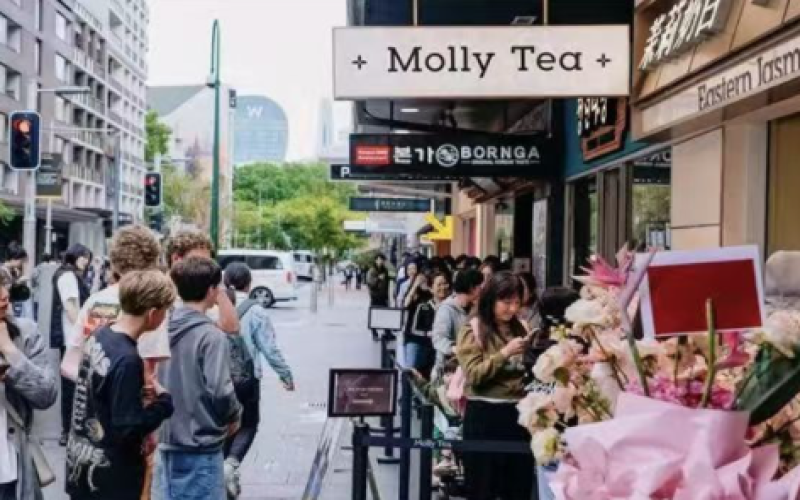
Jasmine Naibai Opens First Store in Sydney Chinatown, Selling Over Ten Thousand Cups in Three Days, Setting a New Overseas Record
The overseas expansion of mainland China's new-style tea beverage brands continues to accelerate, with the Australian market emerging as a sought-after destination for many tea companies racing to establish a presence. Molly Tea, a brand specializing in oriental floral tea drinks, officially opened its first Australian store in Sydney's Chinatown on October 18—its third overseas outlet following New York and Bangkok. During the two-day soft opening, pink sachets were given away; over the first three days of official operation, a buy-one-get-one-free promotion was offered. City-exclusive hanging sachets, Sydney Opera House hanging sachets, and pink DuPont bags were distributed simultaneously. The brand claims that within three days, the store's GMV approached AUD 28,000, total cups sold exceeded 10,000, and single-day sales hit a new overseas high. This article will examine the layout logic and market response behind this new store from aspects such as site selection, design, product strategy, and opening performance. [more…]
What exactly is the difference between a latte, a cappuccino, and a flat white? Can a flat white be made as an iced drink?
Latte, cappuccino, and flat white are the three most common espresso-based milk coffees in cafés. They all look like espresso plus milk, but each has its own tricks. This article will break down the essential differences among these three coffees one by one from four dimensions: cup size, coffee composition, milk foam thickness, and mouthfeel, helping you be clearer about what you want when ordering. At the same time, the article will also answer a common question: can a flat white actually be made iced? If you happen to have tried these coffees at Front Street Coffee, or want to understand their respective serving standards, this comparison will give you a clear reference. [more…]
What Exactly Do the Red, Green, and Blue Labels on Geisha Coffee Beans Mean? Flavor Differences Among Hacienda La Esmeralda Geisha Grades and a Buying Guide
Hacienda La Esmeralda is the benchmark origin for the Geisha variety, and its Geisha coffee beans are classified into three grades—Red Label, Green Label, and Blue Label—according to growing altitude and cupping performance, corresponding to auction lots, private collection lots, and select lots respectively. Red Label comes from the Jaramillo and Cañas Verdes estates at 1,600 to 1,800 meters above sea level, scores above 90 in cupping, and is sold only through the annual global auction; Green Label consists of micro-lots from the three estates and retains the classic Geisha flavor; Blue Label is a blend of beans from the three estates and is only washed processed. Front Street Coffee supplies exactly these three Geisha coffees from Hacienda La Esmeralda, where the juiciness of jasmine, melon, honey, and berries interweaves, showing a balanced yet subtle evolution from warm to slightly cool. This article will explain in detail the grading criteria, origin sources, and flavor characteristics of each grade to help coffee lovers make a choice based on their personal taste. [more…]